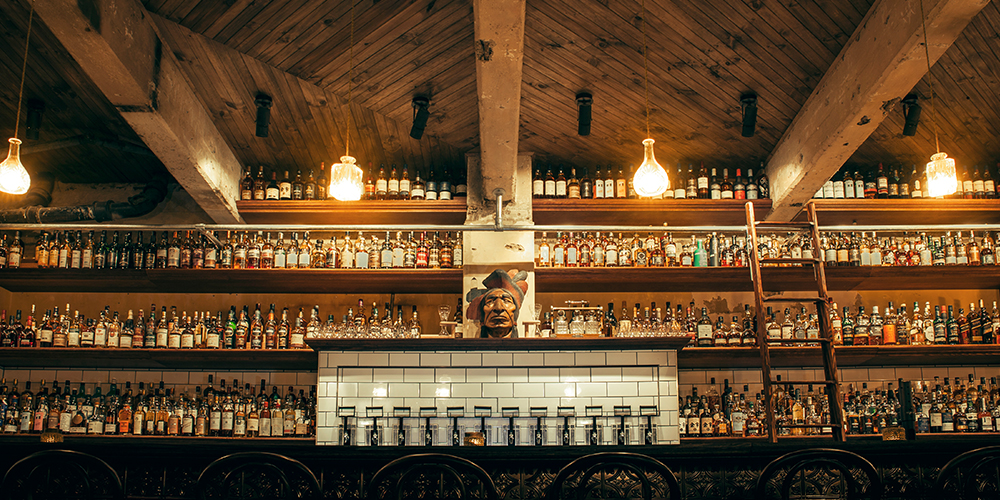
For more than a decade, premiumization has been the defining force in beverage alcohol. Consumers traded up, brands stretched upward, and the industry rode a wave of elevated price points and elevated expectations. But the landscape is shifting. Economic pressure, changing drinking occasions, and evolving consumer psychology are reshaping how people think about “premium.” The result is the emergence of a new powerhouse segment: value‑premium spirits.
This is the “smart premium” tier—elevated enough to feel special, accessible enough to be sustainable, and positioned perfectly for the way people drink today. It sits above mainstream but below luxury, and it is poised to become the most important growth engine in beverage alcohol through 2026 and 2028.
Premiumization isn’t dead. It’s evolving. And value‑premium is where the next wave of winners will emerge.
What Exactly Is Value‑Premium?
Value‑premium is not a vague marketing term. It’s a clearly defined price and positioning tier that delivers high perceived quality without the cost of ultra‑premium. Typical price ranges include:
- Tequila: $25–$40
- Whiskey: $20–$35
- Vodka/Gin: $18–$25
These are products that feel elevated but not indulgent—spirits that consumers can buy for a casual Friday night, a small gathering, or a home cocktail without feeling like they’re splurging. They are premium enough to signal quality, but not priced for special occasions only.
In other words, value‑premium is the new “everyday premium.” And it’s exactly where modern consumers want to be.
The Structural Forces Driving Value‑Premium Growth
The rise of value‑premium isn’t a trend. It’s the logical outcome of several long-term forces reshaping the industry.
1. Economic Pressure + Selective Premiumization
Consumers still want quality, but they’re more discerning about where they spend. They’re not abandoning premium—they’re prioritizing it. Instead of buying a $70 bottle every week, they’re buying a $30 bottle that delivers 80% of the experience at half the cost.
This is selective premiumization: trading up with intention, not impulse.
2. The Decline of Category Loyalty
Consumers no longer identify as “vodka drinkers” or “whiskey drinkers.” They shop by:
- Flavor
- Occasion
- Identity
- Experience
Value‑premium brands win because they offer experimentation without financial risk. A $25 bottle invites exploration in a way a $70 bottle does not.
3. The Rise of At‑Home Drinking Occasions
Home entertaining, low‑tempo nights, and casual gatherings have become dominant drinking occasions. Consumers want something “nice enough” to serve guests or mix into cocktails—but not so expensive that it feels wasteful.
Value‑premium fits perfectly into this new drinking culture.
4. Retailer and Distributor Incentives
Retailers want velocity and margin. Distributors want brands that move without heavy trade spend. Value‑premium delivers both. It’s priced high enough to drive profit, but accessible enough to drive volume.
It’s the sweet spot of the modern shelf set.
5. The Maturation of Younger Consumers
Millennials are entering peak spending years. Gen Z is entering the category with a “quality-first, price-aware” mindset. Both cohorts gravitate toward brands that feel authentic, elevated, and fair in price.
Value‑premium is built for this demographic moment.
Where Value‑Premium Will Hit Hardest: Category-by-Category Outlook
1. Tequila
Ultra‑premium tequila has exploded, but fatigue is setting in. Consumers are increasingly skeptical of celebrity markups and inflated price points. The next wave will be value‑premium tequilas that emphasize:
- Authenticity
- Heritage
- Real craftsmanship
- Transparent production
Expect the $25–$40 range to become the new center of gravity.
2. Whiskey
The $60–$100 bourbon boom is slowing. Growth is shifting to:
- Finished whiskeys
- Blended whiskeys
- Japanese and Irish styles
- Flavor-forward innovations
Consumers want approachability, not exclusivity. Value‑premium whiskey delivers that balance.
3. Vodka
Vodka is stabilizing, but the growth will come from:
- Clean-label vodkas
- Botanical vodkas
- Premium-leaning flavored vodkas
Consumers want “better,” not “luxury.” Value‑premium vodka fits the moment.
4. Gin
Gin benefits from cocktail culture and home mixology. The value‑premium tier will grow through:
- Culinary botanicals
- Regional craft gins
- Flavor-forward innovations
It’s a category built for experimentation—and value‑premium is where experimentation thrives.
5. Rum
Rum is quietly entering a premiumization cycle. Value‑premium aged rums will attract whiskey drinkers seeking exploration without the price tag.
This is a category with significant upside.
Why Value‑Premium Will Outperform Ultra‑Premium in 2026–2028
1. It’s the Most Recession‑Resilient Tier
Consumers cut back on luxury, not on quality. Value‑premium is the “last tier standing” in economic downturns. It offers elevated experience without financial strain.
2. It Aligns With Modern Drinking Occasions
Ultra‑premium is built for special occasions. Value‑premium is built for real life:
- Casual gatherings
- At‑home cocktails
- Moderation-friendly sipping
- Everyday enjoyment
This is where the volume is—and where the growth will be.
3. It Delivers Identity Without Excess
Consumers want brands that reflect who they are, not who they’re trying to impress. Value‑premium brands feel authentic, not performative. They offer credibility without the ego premium.
4. It’s Where Innovation Lives
Ultra‑premium is constrained by tradition. Value‑premium is where brands experiment with:
- Finishes
- Botanicals
- Culinary flavors
- Cross‑category blends
- Sustainable production
Innovation drives trial, and trial drives growth.
Growth Is No Longer Just Distribution—It’s Purpose, Influence, and Cultural Pull
The old model was simple: secure distribution, win the back bar, get on menus, and let velocity build. That model still matters, but it no longer drives growth on its own. Today’s breakout brands win because they create purpose, identity, and cultural relevance long before a distributor touches a case.
1. Purpose
Value‑premium brands win when they stand for something—craft, heritage, sustainability, flavor exploration, or cultural authenticity.
2. Bartender Advocacy
Bartenders remain the most influential gatekeepers. They love value‑premium because it’s high quality, versatile, and affordable for cocktail programs.
3. Influencer Ecosystems
Micro‑communities and niche creators gravitate toward brands that feel real and accessible. Value‑premium fits perfectly into this cultural dynamic.
4. Gatekeeper Alignment
Retail buyers and beverage directors reward brands that deliver velocity, margin, and story—not just trade spend.
The shift is clear: Distribution used to create demand. Today, demand creates distribution.
What This Means for Brands, Retailers, and Investors
For Brands
- Build purpose before packaging
- Innovate with authenticity
- Price for accessibility, not exclusivity
- Invest in bartender and cultural advocacy
- Focus on flavor, identity, and storytelling
For Retailers
- Expand the $20–$40 set
- Curate by consumer need states, not legacy categories
- Feature value‑premium in discovery zones and endcaps
For Investors
- Value‑premium is the most stable, scalable, and margin‑efficient tier
- It offers the best balance of volume and premium pricing
- It’s where the next breakout brands will emerge
Conclusion — The Future Belongs to Smart Premium, Not Luxury
Premiumization isn’t disappearing—it’s becoming more rational. Consumers want quality, identity, and authenticity at a price they can sustain. Value‑premium spirits sit at the center of this shift. They deliver elevated experience without excess, innovation without intimidation, and credibility without the luxury markup.
The next era of beverage alcohol won’t be defined by ultra‑premium. It will be defined by value‑premium—elevated, accessible, and built for real life.