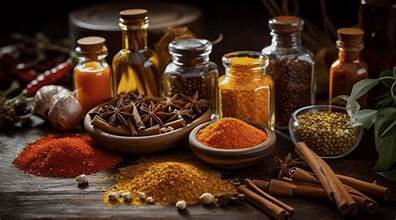
How Taste, Culinary Influence, and Global Palates Are Becoming the New Competitive Advantage in Beverage Alcohol
The beverage alcohol industry is entering a new era—one where flavor, not category, is the primary driver of consumer choice. The modern drinker is no longer loyal to vodka, whiskey, or tequila. They are loyal to taste profiles, culinary experiences, and global flavor cues that reflect their identity, mood, and moment. This shift is reshaping innovation pipelines, retail sets, and brand strategy across the industry.
The rise of the flavor economy is not a trend. It is a structural transformation driven by cultural forces, sensory expectations, and the fragmented consumer you’ve explored in earlier articles. Flavor has become the new competitive advantage—and the next battleground for growth.
The Rise of the Flavor-First Consumer
Consumers no longer walk into stores thinking, “I’m a vodka drinker.” They think:
- “I want something citrusy.”
- “I want something botanical.”
- “I want something spicy.”
- “I want something tropical.”
- “I want something light and refreshing.”
This shift toward flavor-first decision-making is driven by several forces:
- Occasion fragmentation — different flavors fit different tempos and moments.
- Moderation culture — lighter, brighter flavors align with low-tempo drinking.
- Global cuisine — consumers are more adventurous and culturally curious.
- Social media — flavor-forward cocktails dominate visual culture.
- At-home mixology — consumers want bar-quality flavor experiences at home.
Flavor has become the organizing principle of modern drinking behavior.
Global Palates Are Reshaping Spirits and RTDs
Global cuisine has become mainstream. Consumers are comfortable with flavors that were once considered niche. This cultural shift is driving demand for spirits and RTDs inspired by Asian, Latin American, and Mediterranean profiles.
High-growth global flavors include:
- Yuzu — bright, citrusy, premium-feeling
- Shiso — herbal, aromatic, mixology-friendly
- Lychee — floral, tropical, cocktail-ready
- Tamarind — sweet-sour complexity
- Chili + citrus — spicy, modern, social-media friendly
- Kaffir lime — aromatic, culinary-driven
- Ube — colorful, dessert-inspired, Gen Z-friendly
- Hibiscus — tart, floral, vibrant
These flavors are showing up in RTDs, gins, liqueurs, aperitifs, and even tequila and whiskey innovations. They reflect a broader cultural truth: consumers want beverages that feel global, modern, and expressive.
The Culinary Crossover: When Spirits Behave Like Food
The line between the bar and the kitchen has blurred. Culinary culture now shapes spirits innovation more than traditional category cues. Consumers want beverages that feel crafted, intentional, and gastronomic.
This crossover is driving growth in:
- Botanical gins — herbaceous, layered, chef-driven
- Culinary amaros — bitter, complex, food-friendly
- Coffee cocktails — espresso martinis, cold brew liqueurs
- Dessert-inspired RTDs — tiramisu, churro, crème brûlée
- Herbal aperitifs — spritz-ready, sessionable, European-inspired
Consumers are drawn to products that feel like they belong in a restaurant as much as a bar. Flavor is becoming a form of cultural expression.
The Shift Toward Lighter, Brighter, Sessionable Profiles
Moderation culture has reshaped flavor preferences. Consumers want beverages that feel refreshing, balanced, and easy to drink across longer occasions. This has created a surge in:
- Citrus-forward profiles — lemon, lime, grapefruit, yuzu
- Botanical blends — herbal, floral, aromatic
- Spritz-style flavors — bitter-sweet, bubbly, low-ABV
- Light tropical notes — passionfruit, pineapple, guava
These profiles align with at-home drinking, brunch, daytime occasions, and low-tempo socializing. They also pair well with the value-premium tier, where consumers expect elevated flavor without luxury pricing.
The New Flavor Battlegrounds
Flavor innovation is clustering around several high-growth territories. Each one reflects a different consumer mindset and occasion.
- Citrus — clean, refreshing, universally appealing
- Botanical — sophisticated, culinary, mixology-friendly
- Spicy — bold, social, TikTok-driven
- Tropical — escapist, fun, sessionable
- Savory — umami, complex, emerging in cocktails
- Floral — aromatic, premium-feeling, visually appealing
These battlegrounds are shaping the next wave of spirits, RTDs, and NA beverages. They also reflect the emotional and sensory needs of the modern drinker.
Flavor Is Rewriting Innovation Pipelines
Innovation used to be category-first: a new vodka, a new whiskey, a new tequila. Today, innovation is flavor-first. Brands are building products around:
- Mood — unwind, energize, socialize
- Occasion — spritz hour, brunch, low-tempo nights
- Tempo — sessionable, sipping, celebratory
- Seasonality — summer citrus, winter spice
- Cultural moments — global cuisine, social media trends
This shift is accelerating category convergence. Spirits, RTDs, NA beverages, and functional drinks are all competing on flavor, not format.
Retailers Are Reorganizing Around Flavor
Retailers are responding to flavor-first behavior by rethinking shelf sets. Instead of grouping products strictly by category, they are experimenting with:
- Flavor-forward adjacencies — citrus, botanical, tropical
- Occasion-based sets — spritz, unwind, session
- Global flavor sections — Asian-inspired, Latin-inspired
- Mixology zones — vermouth, amaros, bitters, premium mixers
This mirrors how consumers actually shop—and how they search online. Flavor is becoming the organizing logic of modern retail.
Flavor Is the New Premiumization
Consumers will pay more for distinctive, elevated, culinary flavor experiences—even in the value-premium tier. Premiumization is no longer just about packaging, provenance, or proof. It’s about:
- Complexity — layered, crafted, chef-like
- Authenticity — real ingredients, global inspiration
- Identity — flavors that reflect personal taste
- Experience — bar-quality cocktails at home
Flavor is becoming the new marker of quality—and the new justification for premium pricing.
Conclusion — Flavor Is the Future of Beverage Alcohol
The flavor economy is reshaping beverage alcohol from the inside out. It influences how consumers choose, how brands innovate, how retailers merchandise, and how categories evolve. It reflects the cultural moment: global, culinary, expressive, and sensory-driven.
The brands that win in the next decade will be the ones that understand flavor not as an attribute, but as a strategy.