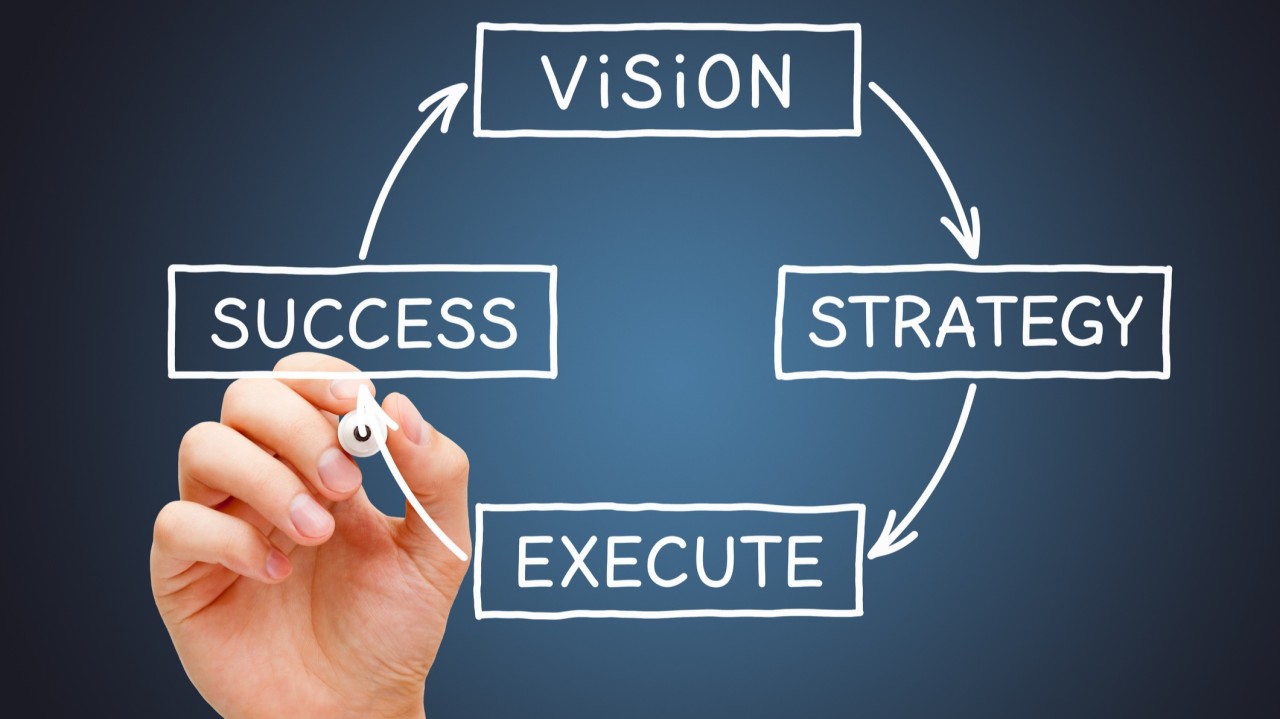
Clarity is often celebrated as a hallmark of great leadership. It’s the difference between a team that moves with purpose and one that spins in circles. But here’s the paradox: the simpler a strategy looks on the surface, the more complex the work behind it usually is. It requires Strategic Simplicity.
In my work with founders, executives, and growth-stage teams, I’ve seen firsthand how the pursuit of clarity can be both exhilarating and exhausting. It’s not just about trimming the fat—it’s about confronting ambiguity, aligning perspectives, and distilling what matters most. And that takes time, rigor, and courage.
Why Clarity Is So Hard to Achieve
Most strategic plans start out bloated. They’re filled with good intentions, competing priorities, and language that tries to please everyone. But clarity demands choices. It forces leaders to ask uncomfortable questions:
- What are we really trying to achieve?
- Who are we serving—and what do they actually care about?
- What will we say no to, even if it’s profitable?
These aren’t just tactical decisions. They’re identity-level commitments. And making them often reveals misalignment across leadership teams, departments, and even personal values.
The Myth of “Just Simplify It”
“Just simplify it” is a phrase I hear often. It’s well-intentioned, but misleading. True simplification isn’t about dumbing things down—it’s about sharpening the signal. That means:
- Eliminating jargon, not nuance
- Clarifying trade-offs, not avoiding them
- Designing messages that resonate across audiences without losing strategic depth
In other words, clarity is not the absence of complexity—it’s the disciplined handling of it.
Clarity as a Strategic Asset
When clarity is achieved, it becomes a force multiplier. Teams move faster. Decisions get made with confidence. Customers understand your value without needing a decoder ring. And perhaps most importantly, leaders can lead without second-guessing every word. It becomes Strategic Simplicity.
Here’s what strategic clarity unlocks:
- Alignment: Everyone knows what success looks like and how their work contributes to it.
- Focus: Resources are directed toward what matters most, not what’s loudest.
- Trust: Stakeholders—internal and external—feel grounded in a shared understanding.
The Cost of Getting There
But let’s not pretend it’s easy. The path to clarity often includes:
- Strategic tension: Wrestling with competing priorities and perspectives
- Iterative messaging: Testing, refining, and sometimes starting over
- Emotional labor: Letting go of legacy language, pet projects, or personal biases
It’s tempting to skip this process—to default to vague mission statements or generic positioning. But that shortcut leads to confusion, misalignment, and missed opportunities.
How to Build Clarity into Your Strategy
Here are five practices I recommend to leaders who want to build clarity into their strategic DNA:
- Start with outcomes: Define what success looks like before you define how to get there.
- Use plain language: If your strategy can’t be explained in a few sentences, it’s not ready.
- Pressure-test with outsiders: If a client, partner, or new hire doesn’t “get it,” you’ve got work to do.
- Document trade-offs: Make explicit what you’re choosing not to pursue—and why.
- Revisit regularly: Clarity isn’t a one-time achievement. It’s a discipline that evolves with your business.
Clarity Is a Leadership Choice
Ultimately, clarity is a choice. It’s a commitment to lead with intention, to communicate with precision, and to build systems that empower rather than confuse. It’s not flashy. It doesn’t always show up in quarterly reports. But it’s the foundation on which sustainable growth is built.
So the next time someone says “just simplify it,” pause. Ask what clarity really looks like in your context. And be willing to do the hard work it takes to get there.
Because clarity isn’t simple. But it’s worth it. It’s your strategic simplicity.
Want More?
This article is part of a broader conversation on strategic leadership and growth. For more insights, check out the Behind the Metrics series—where we unpack the numbers that drive real impact.