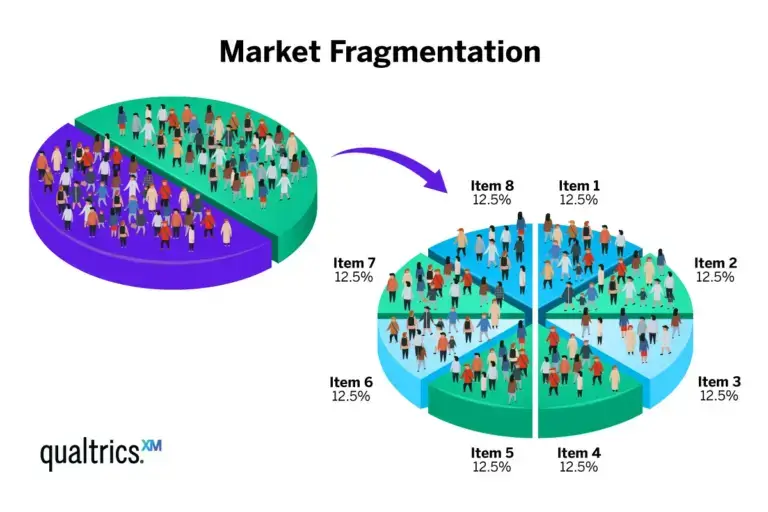
The beverage alcohol consumer used to be predictable. They had favorite brands, familiar categories, and consistent drinking patterns. They drank on weekends, at celebrations, and in bars. They were loyal to vodka or whiskey or beer. They followed a linear path from discovery to purchase.
That world is gone. Today’s consumer is fragmented—across identities, occasions, moods, and micro‑communities. They drink differently, discover differently, and choose differently. They are less loyal, more curious, more health‑conscious, more price‑aware, and more influenced by culture than ever before.
This fragmentation isn’t chaos. It’s a new operating system. And it’s reshaping every part of the beverage alcohol industry—from innovation and pricing to distribution and brand building.
The Collapse of Category Loyalty
For decades, consumers identified with categories. They were “vodka drinkers,” “bourbon drinkers,” or “beer people.” That identity shaped their choices and simplified the market. But category loyalty has collapsed. Today’s consumer shops by:
- Flavor (citrus, botanical, spicy, tropical)
- Occasion (low-tempo night, brunch, solo unwind, small gathering)
- Mood (celebratory, relaxed, curious, social)
- Identity (wellness, craft, cultural connection, premium but not pretentious)
- Function (low-ABV, no-ABV, sessionable, energizing, sipping)
Consumers move fluidly between tequila, whiskey, RTDs, NA options, spritzes, and beer depending on the moment. The category walls that once defined the industry have dissolved.
Brands that still think in category terms are losing relevance. Brands that think in consumer terms are winning.
The Rise of Identity-Driven Drinking
Drinking choices have become expressions of identity. Consumers choose brands that reflect who they are—or who they want to be in that moment. This identity-driven consumption shows up in several ways:
- Wellness-oriented drinkers gravitate toward low-ABV, NA, botanical spirits, and “clean” formulations.
- Cultural explorers seek global flavors—yuzu, lychee, shiso, agave, Asian spirits.
- Craft and culinary enthusiasts choose botanical gins, infused whiskeys, amaros, and premium mixers.
- Value-premium seekers want quality without excess—$20–$40 spirits that feel elevated but accessible.
- Convenience-first consumers choose RTDs, spritzes, and sessionable cocktails.
Identity is no longer static. Consumers shift identities based on mood, setting, and social context. This fluidity is driving category convergence and innovation.
Occasion Fragmentation: The New Center of Gravity
Occasions used to be simple: nights out, celebrations, weekends. Today, drinking occasions have splintered into dozens of micro‑moments, each with its own expectations and product needs.
Modern occasions include:
- Low-tempo nights at home — sipping tequila, whiskey, or NA spirits
- Hybrid socializing — small gatherings, game nights, casual hangs
- Moderation-forward evenings — spritzes, low-ABV cocktails, NA beer
- Food-forward experiences — culinary spirits, aperitifs, amaro
- Solo enjoyment — premium RTDs, sipping rums, craft gin & tonic
- Daytime and brunch occasions — coffee cocktails, spritzes, sessionable RTDs
Each occasion has its own tempo, flavor expectations, ABV preferences, and price tolerance. Brands that design for these real-life moments outperform brands that design for legacy occasions.
The Mood-Based Consumer
One of the most powerful shifts is the rise of mood-based drinking. Consumers choose beverages based on how they want to feel, not just what they want to drink. This has created new behavioral patterns:
- Relaxation moods → sipping tequila, whiskey, or low-ABV cocktails
- Exploration moods → global flavors, Asian spirits, infused gins
- Social moods → RTDs, spritzes, sessionable beer
- Wellness moods → NA options, botanical spirits, low-sugar RTDs
- Celebratory moods → premium tequila, sparkling cocktails, elevated RTDs
Mood-based consumption is dynamic, personal, and unpredictable. It requires brands to think beyond category and into emotional context.
The Influence of Micro-Communities
Influence has decentralized. The modern consumer is shaped less by mass media and more by micro‑communities:
- Cocktail creators on TikTok
- Food and beverage Instagram niches
- Reddit spirits communities
- Local bartenders and beverage directors
- Cultural and regional groups
- Wellness and lifestyle influencers
These micro‑communities drive discovery, shape taste, and create cultural momentum. They reward authenticity, experimentation, and storytelling—not mass-market advertising.
Brands that build ecosystems of influence outperform brands that rely on broad messaging.
The At-Home Consumer Is Now the Primary Consumer
The pandemic accelerated a shift that has not reversed: the home is now the center of drinking culture. Even as bars and restaurants thrive again, at-home occasions dominate volume and shape behavior.
This shift has created new expectations:
- Easy-to-make cocktails with premium ingredients
- RTDs that feel elevated enough for guests
- Value-premium spirits that balance quality and affordability
- Flavor-forward innovation that brings bar-quality experiences home
- NA and low-ABV options for moderation-friendly evenings
The home is no longer a secondary occasion. It is the primary battleground for brand relevance.
The Fragmented Consumer Is Also a More Educated Consumer
Today’s drinkers are more informed than any previous generation. They research brands, ingredients, production methods, and cultural origins. They know the difference between additive-free tequila, pot-still rum, and finished whiskey. They understand ABV, sugar content, and functional ingredients.
This sophistication drives demand for:
- Transparency
- Authenticity
- Craftsmanship
- Purpose-driven brands
- Clear value propositions
Consumers reward brands that respect their intelligence—and ignore brands that don’t.