How Low‑ABV, No‑ABV, and “Better‑For‑You” Drinking Are Reshaping Beverage Alcohol
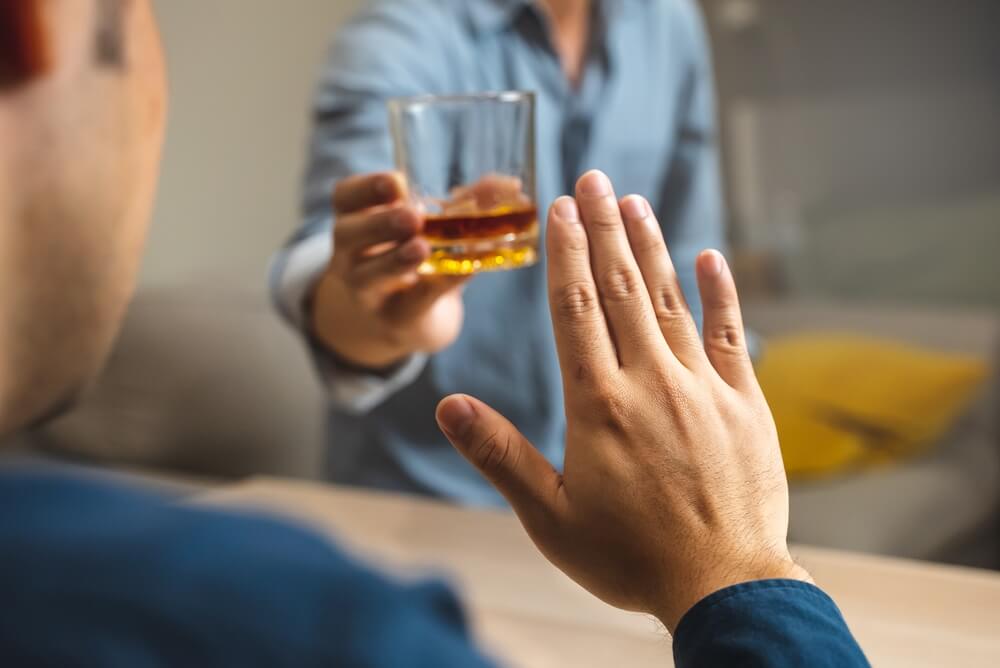
For decades, beverage alcohol was built around celebration, indulgence, and high‑tempo socializing. But a profound shift is underway. Consumers are not abandoning alcohol—they’re redefining their relationship with it. The new drinking culture is not about abstinence. It’s about moderation: balance, control, wellness, and intentionality.
This moderation mindset is one of the most powerful forces reshaping the industry. It influences what people drink, how they drink, when they drink, and why they drink. It’s driving the rise of low‑ABV cocktails, no‑ABV spirits, functional beverages, sessionable RTDs, and “better‑for‑you” formulations. And it’s changing the rules for brand building, innovation, and retail strategy.
Moderation isn’t a trend. It’s a cultural shift—and it’s here to stay.
Moderation Is Not Abstinence—It’s Optimization
The biggest misconception about the moderation movement is that it’s driven by sobriety. In reality, most consumers embracing moderation still drink alcohol—they just drink differently. They want:
- Control over how they feel
- Balance between enjoyment and wellness
- Optionality across ABV levels
- Quality over quantity
- Experiences that don’t require overconsumption
Moderation is a lifestyle pattern, not a temporary reset. It’s the new normal for Millennials and Gen Z, and it’s increasingly influencing Gen X and Boomers as well.
Why the Moderation Mindset Is Surging Now
Several cultural and behavioral forces are converging to make moderation a dominant consumer mindset:
1. Wellness Culture
Consumers track sleep, monitor recovery, and optimize nutrition. Alcohol is now viewed through the same wellness lens as food and supplements. People want beverages that fit their lifestyle—not products they have to “recover from.”
2. Mental Health Awareness
Consumers are more attuned to how alcohol affects mood, anxiety, and energy. They want drinks that support their emotional state, not disrupt it.
3. The Rise of Low‑Tempo Occasions
At-home drinking, small gatherings, and casual nights in have replaced high‑tempo nightlife as the dominant drinking occasions. These moments favor lower ABV, sessionable, and balanced beverages.
4. Social Media Transparency
Overconsumption is no longer socially rewarded. Moderation aligns with how people want to present themselves publicly.
5. Economic Pressure
Consumers want value. They want products that deliver quality and experience without encouraging overconsumption. Moderation aligns with smart spending.
6. The Fragmented Consumer
Identity-driven drinking means consumers shift between NA, low‑ABV, and full‑strength depending on mood, moment, and context. Moderation is the connective tissue between these choices.
The Rise of Low‑ABV: The Middle Ground Consumers Love
Low‑ABV is the fastest-growing part of the moderation movement. It offers the best of both worlds: flavor, experience, and sociability—without the intensity of full-strength spirits.
Low‑ABV growth is strongest in:
- Spritzes (Aperol, Limoncello, wine-based cocktails)
- Vermouth and amaro (culinary, sessionable, food-friendly)
- Wine-based RTDs (spritzes, sangrias, session cocktails)
- Sessionable craft beer (3–5% ABV)
- Low‑ABV spirits (aperitifs, botanical blends)
Low‑ABV fits perfectly into modern drinking occasions: relaxed, social, and balanced.
No‑ABV: From Niche to Normal
No‑ABV used to be an afterthought. Today, it’s a legitimate part of the drinking repertoire. Consumers aren’t choosing NA because they “can’t drink.” They’re choosing it because they want options.
The strongest growth is in:
- NA beer (the category’s breakout success)
- NA spirits (gin alternatives, aperitifs, botanical blends)
- Functional adult beverages (adaptogens, nootropics, mood-forward drinks)
- NA RTDs (spritzes, cocktails, seltzers)
NA is no longer a compromise. It’s a choice that fits seamlessly into modern social life.
“Better‑For‑You” Alcohol: The New Consumer Expectation
Consumers want alcohol that aligns with their wellness goals. This has created a surge in “better‑for‑you” formulations:
- Lower sugar
- Lower calories
- Cleaner labels
- Natural flavors
- Functional ingredients (electrolytes, botanicals, adaptogens)
Better‑for‑you is not a fad. It’s the new baseline expectation for many consumers—especially in RTDs, beer, and flavored spirits.
How Moderation Is Reshaping Innovation
Innovation used to be driven by flavor, packaging, and category expansion. Today, innovation is driven by function, balance, and intentionality.
The moderation mindset is reshaping innovation in several ways:
- Sessionable formats (8–12 oz RTDs, spritz cans)
- Hybrid beverages (coffee + alcohol, botanical blends)
- Functional cocktails (adaptogens, electrolytes)
- Low‑ABV spirits (aperitifs, botanical liqueurs)
- Premium NA options (sipping spirits, culinary NA cocktails)
Consumers want products that fit their lifestyle—not products that force them to choose between enjoyment and wellness.
How Moderation Is Changing Retail
Retailers are reorganizing shelf sets to reflect moderation-driven behavior. This includes:
- Dedicated NA sections in beer, wine, and spirits
- Low‑ABV adjacencies near RTDs and aperitifs
- Better‑for‑you callouts (low sugar, low calorie, clean label)
- Occasion-based merchandising (brunch, unwind, spritz, session)
Moderation is no longer a niche. It’s a merchandising strategy.
How Moderation Is Changing Brand Building
Brands that win in the moderation era understand that consumers want:
- Balance over excess
- Identity over category
- Purpose over positioning
- Clarity over complexity
- Optionality over rigidity
Moderation-friendly brands succeed when they offer a spectrum of experiences—not a single ABV point.
Moderation Is Not Anti‑Alcohol—It’s Pro‑Choice
The most important insight is this: moderation is not a rejection of alcohol. It’s a redefinition of how alcohol fits into modern life. Consumers want:
- To enjoy drinks without overconsuming
- To socialize without losing control
- To balance wellness with pleasure
- To choose their ABV based on mood and moment
- To feel good the next day
Moderation is empowerment. It gives consumers the freedom to choose how they want to engage with alcohol—across a spectrum of options.
Conclusion — Moderation Is the New Mainstream
The moderation mindset is not a trend, a fad, or a temporary cultural moment. It’s a structural shift in how consumers think about alcohol. It’s reshaping innovation, retail, brand building, and category strategy. It’s driving the rise of low‑ABV, no‑ABV, and better‑for‑you beverages. And it’s redefining what it means to drink in a modern, wellness‑oriented world.
The future of beverage alcohol isn’t about drinking more or drinking less. It’s about drinking smarter—with balance, intention, and choice.